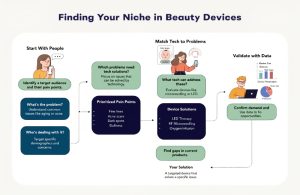

I see so many users stuck deciding when and how to do a facial at home. Problems like irritation, wasted tools, or no visible results keep them from consistency.
Here’s your go‑to at‑home facial routine in 2026: a universal base framework, then custom tweaks per skin type, with trending tools like LED masks, Gua Sha, and microcurrent to boost results.
So many guides float online, claiming “one size fits all.” But your skin is unique. If you skip the foundational steps or misuse tools, you may irritate or under‑deliver. Let me show you a logic and practical flow—then adapt per your skin type.

Consumers want spa-like results at home—fueling rapid growth in at‑home skincare tools.
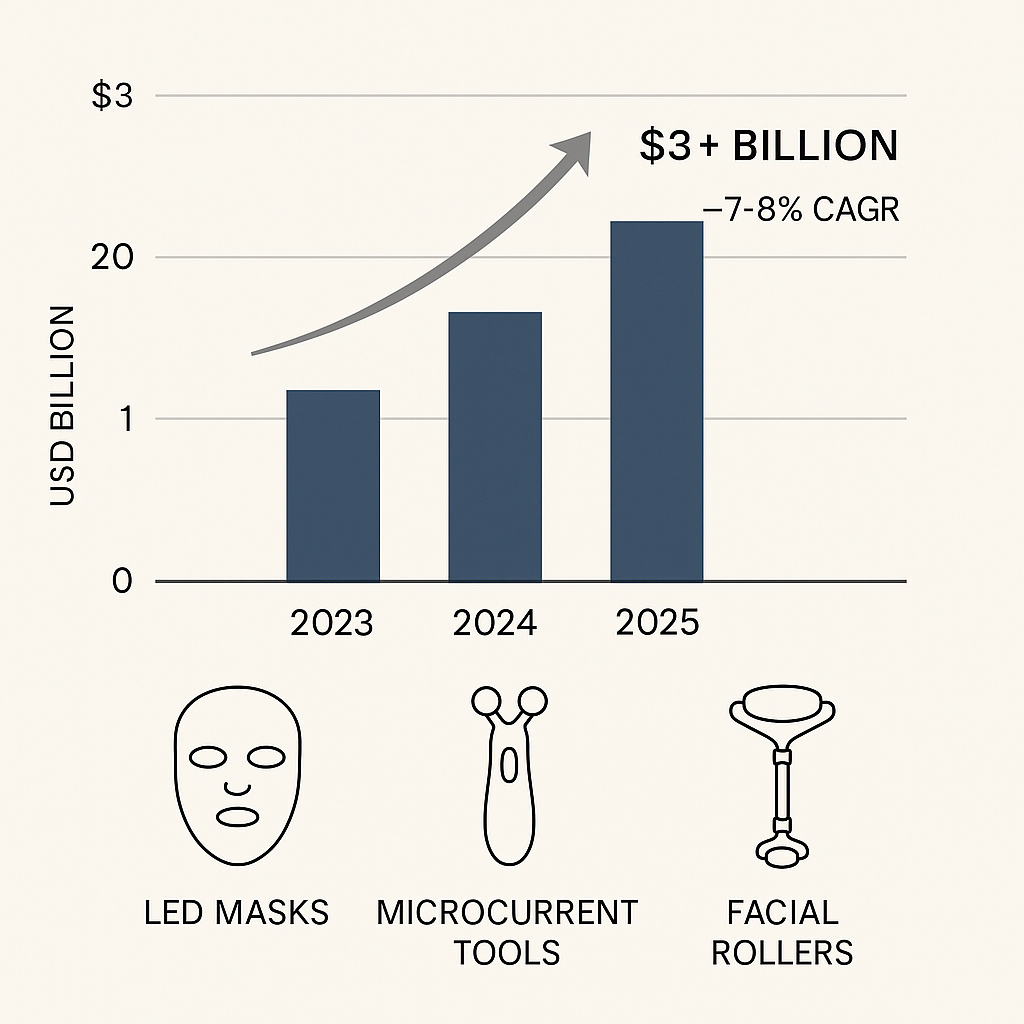
By 2024, the global facial devices market surpassed USD 3 billion, with projected annual growth of ~7–8%. Popular products include LED masks, microcurrent tools, and facial rollers.
From brand meetings, it’s clear: basic skincare no longer satisfies. Today’s consumers expect visible results, customization, and high-tech devices. The pandemic normalized at‑home beauty routines, and remote work gives people more time. In 2025, we’re seeing app-controlled LED masks, multifunction tools, and luxury stone massage tools. This growing trend is a strong signal to spotlight device-based routines in your content and offering.
You need a clear skeleton first. Then you layer on skin‑type tweaks and tools.
Here’s your universal routine: Cleanse → Exfoliate → Steam/Warm Compress → Massage/Tools → Treatment → Hydration & Moisturizer (1–2× weekly exfoliation; daily cleansing and hydration).
Let me break down each step with tips and caveats:
Cleansing
Use a mild, pH-balanced cleanser. Avoid harsh sulfates. A soft brush or silicone tool can be used occasionally if skin allows.
Exfoliation
Limit to 1–2 times per week. Choose gentle AHA/BHA formulas or soft scrubs. Avoid over-exfoliation to protect the barrier.
Steam / Warm Compress
Apply a warm towel or use a facial steamer for 3–5 minutes. Avoid excessive heat or duration to prevent dryness.
Massage & Tools
Use Gua Sha or a roller to boost circulation and lymphatic drainage. Glide upward with light pressure.
Treatment
Apply beauty devices like LED masks or microcurrent tools according to instructions and skin comfort.
Hydration & Moisturizer
Finish with hydrating serum (e.g., hyaluronic acid, peptides) and a cream suited to your skin. Always apply sunscreen in the morning.
| Step | Purpose | Notes |
|---|---|---|
| Cleanse | Remove dirt, makeup | Gentle formula preferred |
| Exfoliate | Slough off dead cells | 1–2× per week max |
| Steam | Open pores | Warm, not hot, 3–5 min |
| Massage/Tools | Improve circulation & tone | Use gentle strokes |
| Treatment | Boost skin repair or lift | LED, microcurrent, etc. |
| Hydrate & Moisturize | Lock in moisture & actives | Use skin‑type formulas |
This universal flow becomes your foundation. From here, we customize.
Oily skin needs balance, not over-treatment.
Focus on cleansing, light hydration, ice rolling, and blue + red LED for acne control.
Dry skin needs repair, deep hydration, and barrier support.
Sensitive skin requires minimal, soothing care.
Here’s a table summarizing key tools and why they’re hot in 2025:
| Tool | Function | 2025 Trend Highlight |
|---|---|---|
| LED Face Mask | Stimulates collagen, reduces inflammation | Smart LED with app control, zone targeting |
| Gua Sha Stone | Boosts circulation, sculpts the face | Mix of stainless steel + crystal, cooling effect |
| Ice Roller | Tightens pores, soothes skin | Post‑workout cooling care, facial “restart” tool |
| Microcurrent Device | Lifts and tones facial muscles | EMS + RF combo tech, adjustable intensity |
Each tool complements a core step (massage or treatment) in your base routine. The technology is becoming smarter: app connectivity, AI skin readings, auto‑adjusting protocols.
Many people ask: “Why go to a spa if I can do all this at home?”
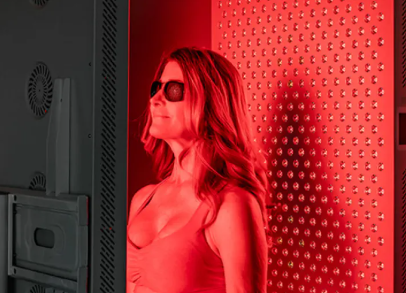
At‑home care is flexible, lower cost, and consistent. Spas offer deep cleansing, professional strength tools, manual expertise, and instant transformation.
Let me compare both:
Too many think “more = better.” But overdoing facials causes harm.
Dermatologists often advise doing an at‑home facial 1 to 2 times per week. More frequent use—especially of active tools—risks barrier damage, redness, or sensitivity.

Here’s what I learned talking to skincare experts:
Can I do an at‑home facial every day?
No. A full facial daily is too much stress. You can maintain morning and evening routines daily, but reserve intense steps (exfoliation, tools) for 1–2× per week.
How do I avoid irritation for sensitive skin?
Start simple. Patch test new tools/actives. Avoid aggressive exfoliants, strong scrubs, or high device settings. Use calming ingredients and rest days.
Which tool should I start with as a beginner?
Start with a Gua Sha or facial roller. It’s low risk, easy to use. Next, try a low‑level LED mask. Save microcurrent for when your barrier is very solid.
Do LED masks really work?
Yes—red and near‑infrared light have been studied to stimulate collagen and reduce inflammation. The key is consistent, correct usage (duration, distance, frequency).
In 2025, skincare is no longer about following one fixed routine. It’s about listening to your skin, adjusting based on your skin type, and integrating the right tools to enhance every step. Whether it’s a calming Gua Sha massage for sensitive skin or a microcurrent lift for dry, aging skin—the right device can make all the difference. The future of skincare belongs to those who embrace both technology and personalization.
At Corona Elite, we help skincare brands bring that future to life. From smart LED masks to handcrafted Gua Sha stones, our OEM/ODM solutions are designed to match your vision, fast-track your product line, and deliver results your customers can see and feel. Explore how we can support your next launch at coronaelite.com.