

In the hustle and bustle of daily life, taking a few minutes to perform a facial massage can significantly impact your skin’s health and your overall wellbeing. This practice not only enhances your skin’s appearance by promoting better circulation and preventing fine lines but also offers a moment of tranquility amidst a hectic schedule.
Regular facial massages can improve skin elasticity, promote detoxification, and even help in better absorption of skincare products, making them more effective. Whether you’re looking to brighten your complexion, reduce puffiness, or simply unwind before bed, a facial massage can be tailored to meet your needs. In this comprehensive guide, we will explore everything you need to know about performing an effective daily facial massage at home.

Facial massage involves the gentle manipulation of facial muscles and skin to enhance blood circulation and stimulate the lymphatic system. Using various pressures and strokes, this technique helps to relax facial tension, reduce puffiness, and promote a healthier complexion.
The practice of facial massage has deep roots in many cultures, particularly in Asia. For centuries, it has been an integral part of beauty regimens in countries like China and Japan, where it is not only seen as a method for maintaining youthful skin but also for its therapeutic properties, aligning with principles of traditional medicine such as acupuncture and acupressure.
Facial massage offers a plethora of benefits that cater to various skin concerns:
With these foundations in place, we can better appreciate the value of daily facial massage and how it can be incorporated into our skincare routine for maximum benefits.

To effectively perform a facial massage at home, it’s crucial to have the right tools and products. This ensures not only the effectiveness of the massage but also the safety and health of your skin.
Choosing the right medium for facial massage is essential. For most skin types, lightweight oils like jojoba, almond, or even grapeseed oil provide sufficient slip without clogging pores. Those with more sensitive skin might opt for hypoallergenic creams or fragrance-free options to prevent irritation.
Whenever possible, opt for natural products that contain minimal additives. Organic oils and creams can be beneficial, especially if they are formulated without harsh chemicals. For those with allergies, hypoallergenic products are a must, as they reduce the risk of skin reactions.
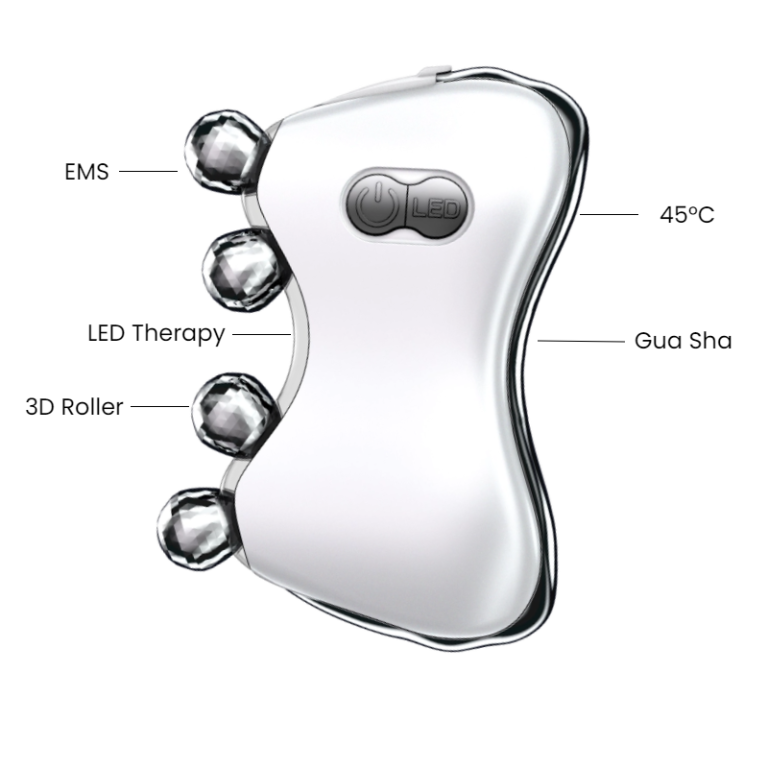
While your fingers are undoubtedly the most accessible tool, incorporating a facial roller or a Gua Sha stone can elevate the experience and effectiveness of your massage:
Often made from jade or quartz, these rollers help soothe the skin, reduce swelling, and enhance the massage effects through their cooling properties.
Used in traditional Chinese medicine, these stones are designed to scrape across the skin gently, improving circulation and helping to lift and firm the skin over time.
These tools and products not only aid in the massage process but also enhance the overall experience, making it more enjoyable and beneficial.
A detailed, effective facial massage routine can transform your skin and become a highlight of your daily self-care regimen. Here, we’ll break down each step, ensuring you know exactly how to treat each area of your face and neck for maximum benefit.
Complete Massage Routine
Here’s how to systematically address each facial zone:
Forehead:
Eyes:
Cheeks:
Jawline and Chin:
Neck:
Duration and Frequency:
Once you’re comfortable with the basic routine, consider incorporating these advanced techniques to enhance the benefits of your facial massage:

Daily facial massage is a potent tool for maintaining youthful, vibrant skin and can be a deeply relaxing practice that enhances your overall well-being. By following this guide, you’ll not only see improvements in your skin’s appearance but also enjoy the therapeutic benefits of self-care.

Hi there! I’m Tina, a dedicated partner to skincare brands and distributors worldwide. With years of experience in the beauty tools manufacturing industry, I focus on helping clients turn ideas into high-quality, market-ready products. Here to share insights and support your growth—let’s build something successful together!
Looking for OEM / ODM services? Send us your requirements directly.
Helpful? Share With More People Now
We design, develop, supply and support premium Skincare Products











Click to Chat
I'm online now.
Hello, This is Tina from Corona Elite, How can I assist you today?
WhatsApp Me
🟢 Online | Privacy policy
WhatsApp Me