The rise of the home beauty device industry is expected to revolutionize the way people care for their skin and hair in the comforts of their own homes. This market research report aims to provide an in-depth analysis of the home beauty devices market, covering its size and demand forecast for 2024 to 2030. It will examine the current market trends and growth drivers, as well as the growth restraints and opportunities in the market. Additionally, the report will provide a detailed insight into the global and regional home beauty device market size forecast. Finally, a comprehensive overview of the competitive landscape will be provided to help you better understand the industry.
The Global Beauty Device market is estimated to be valued at USD 58.31 billion by 2030, growing gradually from $33.86 billion in 2022.

Source: Precedence Research
The market is expected to witness significant growth in the coming years due to the increasing demand for beauty treatments, advancing technologies, as well as rising disposable income. The market has been segmented based on product type, technique, end-user, and region.
Based on product type, the global beauty device market is classified into laser-based, radiofrequency-based, intense pulsed light-based, ultrasound-based, and others. Laser-based devices are expected to account for the largest share of the market, followed by radiofrequency-based devices.
In terms of technique, the market is classified into cleansing, exfoliating, microdermabrasion, hair removal, and others. Cleansing devices are anticipated to account for the largest share of the market, followed by exfoliation devices.
On the basis of end-user, the market is segregated into professional users and consumer users. Professional users are projected to hold the largest market share in the coming years. This is attributed to the increasing number of beauty salons, spas, and parlors that offer beauty treatments.
Regionally, the market is divided into North America, Europe, Asia Pacific, Latin America, and the Middle East and Africa. North America is anticipated to dominate the market in the coming years, followed by Europe and Asia Pacific. This is due to the increasing awareness about beauty treatments and the availability of technologically-advanced devices in the region.

Source: Precedence Research
The rapid growth of the home beauty device market is no longer driven only by technology brands. Skincare brands are increasingly expanding into devices to improve product efficacy, increase customer retention, and create high-margin product lines.
Devices such as LED face masks, microcurrent wands, and RF tightening tools are becoming essential companions to topical skincare. For brands, launching a private label beauty device is one of the most effective ways to differentiate in a competitive market.
Choosing an experienced OEM manufacturer with stable production, certification support, and low minimum order quantities is critical for a successful launch.
The home beauty device market is growing rapidly due to the increasing demand for convenience and portability and the capability of these devices to provide desired results quickly.
This market is expected to reach an estimated $89,535.1 million by 2030 and is predicted to grow at a compound annual growth rate of 25.1% from 2024-2030

Source: Prescient Strategic Intelligence
The popularity of home beauty devices has been driven by the need to look and feel good without having to visit a salon or spa.
Consumers are increasingly opting for easy-to-use, portable, and affordable home beauty devices to enhance their beauty and keep up with the latest trends. Furthermore, many of the devices are highly effective and provide long-term results, enabling consumers to maintain their desired appearance for an extended period.
Additionally, technological advancements such as wireless connectivity, voice control, and AI-enabled applications have played a crucial role in driving demand for these devices.
Furthermore, the growing popularity of connected home beauty devices has been an important factor in the growth of the market. Many manufacturers have released products that use integrated sensors to enhance the user experience. These connected devices allow users to customize their beauty routine and track real-time results at home.
Additionally, the increasing demand for minimally invasive techniques such as radiofrequency, LED light-based treatments, and microdermabrasion has been a major factor in the market’s growth.
These treatments are effective and convenient, as they are performed in the comfort of one’s home. Furthermore, manufacturers are focusing on incorporating more advanced technologies into their devices to improve the user experience and results further.
To stay ahead of the curve, it is essential to understand this market’s segmentation. Below is a breakdown of the home beauty device market into three main categories: product type, distribution channel, and region. We will then discuss the size and demand forecasts for each of these categories. With this knowledge, we can gain a better understanding of the global home beauty device market and identify the key growth opportunities.
This market can be segmented into product types such as hair care, skin care, cleansing, nail care, and others.
The hair care segment held the largest share of the home beauty device market in 2022, as hair care is an essential part of personal hygiene and grooming. According to Mordor Intelligence, the hair care products industry is expected to experience a compound annual growth rate (CAGR) of 4% between 2022 and 2027.
This growth is driven by increasing consumer concern for scalp health and issues such as hair thinning, hair loss, dandruff, and sensitive scalps. Consumers are also becoming more inclined to use hair care products recommended by professionals, which is further driving the market. Additionally, fashion trends among consumers are leading to increased demand for hair styling products, resulting in a boost in sales for salon hair care products.
Furthermore, there is a growing trend toward using organic and natural products for personal grooming. In 2020, conditioners and shampoos held the largest share of the organic hair care market due to their widespread usage. Additionally, anti-dandruff organic hair oils are expected to see significant growth in the forecast period.
According to a recent market analysis by Transparency Market Research, the skincare industry is expected to experience significant growth between 2024-2030. The driving force behind this growth is the increasing awareness and interest in skincare products and practices worldwide.
Factors such as the popularity of skin-friendly beauty products and the benefits of incorporating nourishing ingredients into cosmetics are also expected to contribute to this growth.
Additionally, the millennial and Generation Z demographic is considered a highly lucrative market segment for skincare products. The current global pandemic has also played a role in this growth, as many individuals have focused on self-care and maintaining their skin health during stay-at-home orders. Overall, the skincare market is projected to have a positive growth trajectory during the forecast period.
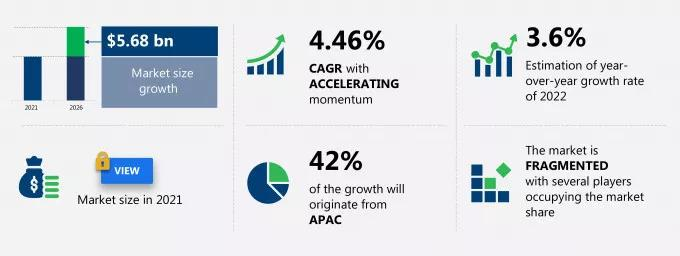
Source: Technavio
According to Technavio research, the global nail care products market is projected to experience significant growth in the next 3 years, with a projected increase of USD 5.68 billion from 2024 to 2027, due to an accelerating compound annual growth rate of 4.46%. One of the major factors driving this growth is the increasing availability of non-toxic and natural solutions for nail care. As more consumers become concerned about the health of their nails, they are increasingly choosing products that do not contain harsh chemicals or toxins which can damage the cuticles and nails. This trend is expected to continue to drive market growth in the coming years.
Overall, the home beauty device market is expected to expand at a healthy CAGR during the forecast period. The increasing disposable incomes of consumers, technological advancements, and the preference for convenience are the key factors driving the market.
LED Face Masks – High demand in anti-aging and acne treatment categories, ideal for skincare brands building premium product lines.
LED mask OEM Solution
Microcurrent Facial Wands – Popular for lifting and firming routines, suitable for entry-level device launches with strong repeat purchase potential.
👉 facial wand / microcurrent OEM Solution
Radio Frequency Skin Tightening Devices – Positioned as high-value anti-aging tools with strong professional-to-home transition.
👉 RF device OEM Solution
Eye Massagers – Compact, lower-cost devices with fast market entry and strong retail compatibility.
👉 eye device OEM Solution
These categories offer the best balance between development cost, market demand, and brand scalability.
The home beauty device market is segmented based on distribution channels, with different channels including electronic stores, commercial stores, departmental stores, and direct-to-consumer channels. The electronic stores’ segment is expected to be the most prominent distribution channel for the home beauty device market in the forecast period between 2024 and 2030.
Electronic stores have become increasingly popular over the past few years due to their convenience, cost-effective prices, and access to a wide range of products. The presence of electronic stores in various countries allows manufacturers to access both national and international customer bases, thereby increasing their potential for profits. Moreover, numerous e-commerce platforms like Amazon, Flipkart, and eBay have made it easier for customers to purchase home beauty devices from the comfort of their homes.
The commercial stores’ segment is expected to be the second-largest segment in the forecast period between 2024 and 2030. This is largely due to the presence of physical retail stores which provides a great platform for manufacturers to showcase their products and drive their sales. Commercially available stores offer customers a chance to experience products before they make a purchase, which can prove to be of great help in driving customer satisfaction.
Departmental stores are also an important distribution channel for the home beauty device market. These stores can provide a unique shopping experience as they offer a wide range of products and services. Customers, who may not have the time or resources to shop at electronic stores, can visit these stores, enabling them to find their desired products.
Lastly, the direct-to-consumer segment is also expected to witness impressive growth in the coming years. This is due to the increasing popularity of social media platforms, which have allowed manufacturers to connect directly with customers. This channel allows customers to buy products without having to travel to a physical retail location.
The home beauty device market is segmented by region into North America, Europe, Asia-Pacific, South America, and the Middle East and Africa.

Source: Data Bridge Market Research
According to research, North America had the largest beauty devices market share in 2022, at around 40%. This is attributed to the high disposable income and increased appearance awareness among consumers, leading to increased spending on cosmetic procedures and tools. Additionally, the growing number of salons offering hair removal services and an increase in individuals with hormonal problems have also contributed to the demand for associated treatments in the region.
Advanced technologies in cosmetic tools have also created new opportunities for investment in Canada, such as the use of augmented reality and artificial intelligence by technology platform provider ModiFace Inc. to allow customers to virtually try out cosmetic products on Amazon.com. The growing prevalence of dermatological diseases and burn injuries has also contributed to the demand for aesthetic instruments in the country.
The availability of leading brands and the introduction of less-expensive cosmetic tools in the region have also attracted consumers to adopt these products for various grooming purposes. The easy availability of branded aesthetic instruments on online channels, such as common portals, also supports the regional expansion and sales of leading brands, such as TRIA, ReFa, Envely, and NuFACE, among at-home users.
Europe is the second-largest market for home beauty devices due to the significant adoption of advanced technology by the consumer. The increasing awareness regarding the benefits of home beauty devices has been driving the market growth in the European region. Furthermore, the growing trend of aesthetic treatments among consumers has been contributing to the increasing demand for home beauty device in Europe.
The Asia-Pacific region is expected to experience the highest growth rate during the forecast period. Factors contributing to this include the rising incidence of skin diseases, advancements in technology, increased appearance consciousness among young people, and a shift towards at-home aesthetic devices.
The South American market is anticipated to witness a modest growth owing to the low per capita income of the population. In addition, the rising number of skin related problems due to the climate change is expected to fuel the market growth in the region.
The Middle East and Africa home beauty device market is expected to grow significantly during the forecast period. The increasing awareness among the population regarding the usage of home beauty devices is the major factor driving the market growth in the region. Furthermore, the increasing prevalence of skin problems due to the weather conditions in the region is expected to augment the market growth.
A major factor driving the growth of the Home Beauty Device Market Size is the presence of a highly competitive market. This market is composed of major market players that cater to a wide range of consumers. Therefore, this market has seen a high level of competition as companies battle for share of the market and strive to offer innovative products to attract customers.
In terms of market share, the leading companies that have made their presence in the global Home Beauty Device Market Size include Procter & Gamble, L’Oréal, Unilever, P&G, Philips, Clarisonic, Panasonic, and Nu Skin. These companies have been able to establish a strong foothold in this market through their extensive network of distribution and effective marketing strategies.
In addition, these players have been able to effectively leverage the growth of the global home beauty device market by innovating and launching new products. Furthermore, each of the top players in this market has also been leveraging various strategies such as acquisitions, partnerships and collaborations to gain a competitive edge.
Moreover, some of the new players that have entered the global home beauty device market include Olay, Mainline, Conair, and Kayo. These companies have been able to enter the global home beauty device market by providing innovative products that enable consumers to personalize their beauty regimes at home.
Furthermore, companies are also focusing on developing new technologies such as artificial intelligence, virtual reality and augmented reality to enhance the customer experience. Additionally, companies are also launching new subscription-based services which enable customers to try out the products before they buy them.
Overall, the rising competition in the global home beauty device market is expected to drive growth over the forecast period from 2023 to 2030. Thus, companies should focus on developing innovative products and strategies to stay ahead of their competitors.
The market growth is attributed to several factors, including the convenience and cost-effectiveness of home beauty devices, the rising adoption of home beauty devices by millennial and gen-z consumers, and the increasing demand for smart beauty devices.
Home beauty devices provide a convenient and cost-effective alternative to visiting a salon or beauty clinic. Devices such as electric shavers, hair straighteners, hair dryers, and bleaching kits, are relatively inexpensive and can save consumers time and money.
Additionally, they can be used without the help of a professional. This makes them a popular choice for cost-conscious consumers looking for quick and efficient solutions.
Millennials and Gen-Z consumers are increasingly turning to home beauty devices for their beauty needs. The use of home beauty devices by this demographic is driven by an understanding of beauty trends, an appreciation of the aesthetic results achieved by home beauty devices, and a desire to make beauty treatments more accessible.
Millennials and Gen-Z consumers are also more likely to shop for beauty products online, further driving home beauty devices’ popularity.
Smart beauty devices enable consumers to assess their skin condition and analyze results in real-time. These devices are powered by artificial intelligence (AI) and machine learning technologies, enabling users to customize their beauty treatments. As a result, the demand for Smart Beauty Devices is expected to rise in the coming years.
Despite the surge in demand for home beauty devices, several factors are likely to restrain the market’s growth through 2030.
Consumer concerns over the safety of these devices and their potential to cause skin damage are one of the key factors impacting the industry. Additionally, the high cost of home beauty devices is proving to be a hindrance for consumers, as these devices tend to be expensive.
Nonetheless, the market is expected to grow steadily from 2024 to 2030, and manufacturers are increasingly focusing on improving the functionality and efficacy of their devices. With the latest advancements in technology and a continued emphasis on convenience and portability, the home beauty device market is set to remain strong for the foreseeable future.
With the rise of social media, the beauty device market is now connected with a global audience, providing plenty of opportunities for business owners to reach out to potential customers.
Here are five opportunities in the home beauty device market for business owners:
By leveraging the opportunities in the home beauty device market, business owners can create an attractive offering that stands out from the competition and appeals to a wide range of consumers. With the right strategy and products, entrepreneurs can capitalize on the potential of this rapidly growing industry.
Step 1 – Select the target device based on your skincare positioning and price range
Step 2 – Define specifications, treatment functions, and packaging design
Step 3 – Complete safety testing and required certifications (CE, FCC, RoHS)
Step 4 – Mass production with quality control and stable lead time
Working with an experienced manufacturer ensures faster development, controlled costs, and compliance with international regulations.
With over 10 years of experience in home-use beauty devices, we support global skincare brands with OEM and ODM solutions, low MOQs, and full production capabilities from engineering to packaging.
The home beauty device market has witnessed remarkable growth over the past few years and is expected to continue its trend over the forecast period of 2024 to 2030. The increasing demand for home beauty devices is attributed to numerous factors, such as the growing consumer preference for organic and natural beauty products, the technological advancements in the field, and the rising consumer awareness about beauty and wellness.
In addition, the launch of innovative home beauty products, such as facial cleansing devices, skin tightening devices, and anti-aging products, is expected to further boost the growth of the market in the coming years. Furthermore, the growing demand for aesthetically pleasing products, such as professional-grade devices, is also projected to be a major factor fueling the growth of the home beauty device market.
However, the high cost associated with purchasing home beauty devices may be a major factor restraining the market’s growth. Nonetheless, the rapid advancements in the field of technology as well as the implementation of various promotional strategies by market players are expected to provide lucrative opportunities for the market’s growth in the coming years.
All in all, the home beauty device market is projected to experience significant growth during the forecast period, thus providing numerous opportunities for market players to capitalize on. Market players can focus on product innovation, strategic collaborations and mergers, and market expansion to gain a competitive advantage and stay ahead of the curve in the home beauty device market.

Hi there! I’m Tina, a dedicated partner to skincare brands and distributors worldwide. With years of experience in the beauty tools manufacturing industry, I focus on helping clients turn ideas into high-quality, market-ready products. Here to share insights and support your growth—let’s build something successful together!
Looking for OEM / ODM services? Send us your requirements directly.
We design, develop, supply and support premium Skincare Products











Click to Chat
I'm online now.
Hello, This is Tina from Corona Elite, How can I assist you today?
WhatsApp Me
🟢 Online | Privacy policy
WhatsApp Me