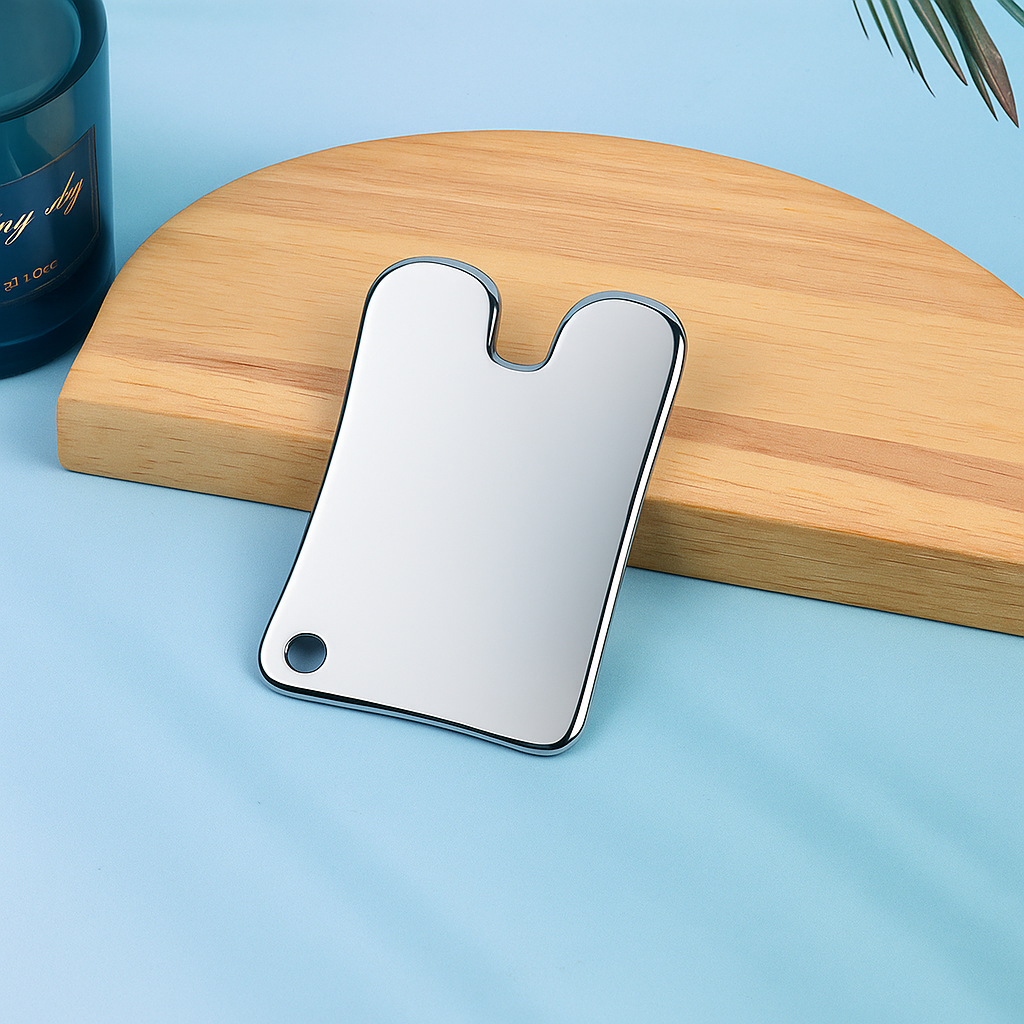
Gua Sha has emerged as one of the most talked-about skincare tools on social media and among holistic beauty enthusiasts. This traditional Chinese technique, which involves scraping the skin with a smooth-edged tool to stimulate circulation, promises numerous benefits—from lymphatic drainage to facial sculpting. But a common question remains: Does Gua Sha help reduce acne?
Acne is a multifaceted skin condition caused by excess oil production, clogged pores, bacteria, and inflammation. While there are proven treatments like salicylic acid, benzoyl peroxide, and retinoids, many people seek complementary therapies that are gentler or rooted in traditional practices. Gua Sha, with its focus on enhancing circulation and reducing tension, has entered the spotlight.
This Q&A guide dives deep into whether Gua Sha can play a role in reducing acne and improving skin health. We’ll explore what science and dermatologists say, and how this ancient technique can be used wisely in modern skincare routines.
2. Should You Gua Sha If You Have Acne?
Yes—but with a few important precautions. If you have active acne, especially inflamed pustules or cysts, it’s crucial to avoid applying direct pressure over those areas. Scraping an inflamed pimple with a tool can increase inflammation, spread bacteria across the skin, and even lead to post-acne scarring. That said, this doesn’t mean Gua Sha is off-limits entirely for acne-prone individuals.
Using Gua Sha gently on surrounding areas or on the neck can help reduce fluid retention and stimulate lymphatic drainage—factors that indirectly support clearer skin. Hormonal acne, which often appears on the jawline and chin, can sometimes be alleviated by increasing circulation and reducing muscle tension in those areas.
For those dealing with milder forms of acne or acne scars, Gua Sha may improve the skin’s appearance by encouraging nutrient-rich blood flow and relaxing facial tension that contributes to inflammation. Always start with a clean face, disinfected tools, and use a non-comedogenic facial oil or serum to ensure a smooth glide.
3. Does Gua Sha Make Skin Clear?
Gua Sha doesn’t directly eliminate acne-causing bacteria or stop the overproduction of sebum, but it can be a valuable ally in achieving clearer, healthier-looking skin. How? Circulation Boost: Regular Gua Sha practice increases blood flow, bringing oxygen and nutrients to skin tissues. This enhanced microcirculation can speed up skin repair and regeneration.
Lymphatic Support: Poor lymph drainage can lead to dullness, puffiness, and congestion. Gua Sha helps clear these blockages, detoxifying the skin from within.
Stress Reduction: Chronic stress elevates cortisol levels, a hormone known to trigger breakouts. Gua Sha’s massage-like action relaxes facial muscles, reducing stress and tension held in the face.
Improved Product Absorption: Massaging your skincare products with Gua Sha can help active ingredients penetrate deeper into the skin barrier. While it shouldn’t replace acne treatments, when used consistently, Gua Sha may enhance your skin’s clarity, radiance, and tone as part of a holistic skincare routine.
4. Does Gua Sha Reduce Acne Scars?
Yes, to a certain extent—especially when it comes to discoloration and surface-level scarring. Post-inflammatory hyperpigmentation (PIH), which appears as red or brown spots after a breakout, can be gradually lightened through consistent Gua Sha use. The improved circulation helps promote cellular turnover and collagen formation, both essential in skin healing. However, Gua Sha is not a miracle worker for deeper scars such as boxcar, ice-pick, or rolling scars. These types of scars often require more intensive treatments like microneedling, laser resurfacing, or chemical peels. That said, incorporating Gua Sha into your post-acne recovery plan may:
1.Soften mild indented scars over time
2.Improve skin texture and tone
3.Enhance the effectiveness of scar-fading serums
It’s best used on healed skin, not on open or active blemishes. Pair it with ingredients like vitamin C, retinol, or niacinamide for best results.
5. What Will Happen If I Use Gua Sha Every Day?
Used consistently and correctly, daily Gua Sha sessions can bring a host of skin and wellness benefits. For acne-prone skin, these include:
Reduced Puffiness: Regular lymphatic drainage helps release built-up fluids and toxins, which may contribute to clearer skin.
Relaxed Muscles: Especially beneficial for those who clench their jaws or have tension in the face, which can aggravate acne in the lower face.
Improved Circulation: Helps bring nutrients and oxygen to skin cells, supporting healthy regeneration.
Mental Wellness: Gua Sha can serve as a calming ritual, encouraging mindfulness and reducing anxiety—which are often linked to skin flare-ups.
However, overuse or improper technique (such as applying too much pressure or using dirty tools) can irritate the skin. Stick to light, upward strokes and avoid scraping over active breakouts. For best results, use 3–5 times a week, and always follow with gentle skincare.
6. Do Dermatologists Recommend Gua Sha?
Dermatologists generally view Gua Sha as a safe, supportive practice—when used with care. While it’s not an FDA-approved treatment for acne, many skin experts acknowledge its benefits in:
1.Boosting circulation
2.Enhancing lymphatic flow
3.Relaxing facial muscles
4.Improving skincare absorption
That said, they caution against exaggerated claims. Gua Sha is not a replacement for prescription medication or clinical treatments for moderate to severe acne. Dr. Whitney Bowe, a board-certified dermatologist, has noted that while Gua Sha “won’t cure acne,” it can reduce stress and tension in the skin, which are contributing factors. If you’re undergoing active acne treatment, consult with your dermatologist to ensure Gua Sha won’t interfere with medications or cause irritation.
7. Does Gua Sha Increase Face Fat?
No, and in fact, the opposite is more commonly reported. Gua Sha is often used to subtly sculpt and lift facial features, giving a more toned appearance rather than a swollen or puffier look. What may confuse some users is that increased circulation can cause temporary plumping right after use, which is natural and usually subsides within minutes. This short-term flush shouldn’t be mistaken for added fat.
In reality, Gua Sha can: – Reduce facial bloating caused by fluid retention – Define cheekbones and jawlines with regular use – Improve symmetry by relaxing overworked muscle.
There is no evidence that Gua Sha causes fat buildup in the face. Instead, when practiced correctly, it enhances natural contours and reduces puffiness.
8. Conclusion
While Gua Sha isn’t a magic bullet for acne, it can be a valuable addition to your skincare ritual when used appropriately. Its strengths lie in supporting overall skin health through improved circulation, reduced inflammation, and stress relief—all of which can contribute to clearer, healthier-looking skin.
If you’re considering Gua Sha for acne, remember to: – Start gently and avoid active breakouts – Use clean tools and proper facial oils – Pair it with dermatologist-recommended treatments – Be patient—results come with consistency
Ultimately, Gua Sha represents a blend of tradition and wellness, offering both aesthetic and therapeutic benefits. Whether you’re battling breakouts or just looking for a mindful skincare practice, this ancient technique may be worth exploring.
Hi there! I’m Tina, a dedicated partner to skincare brands and distributors worldwide. With years of experience in the beauty tools manufacturing industry, I focus on helping clients turn ideas into high-quality, market-ready products. Here to share insights and support your growth—let’s build something successful together!